
How the Chula Vista Bayfront is Changing Life for Homeowners in South Bay


The Chula Vista Bayfront used to feel like a place many residents passed by more than a place they planned around. That is changing quickly. With major waterfront redevelopment underway, the bayfront is becoming more visible in daily life, real estate conversations, weekend plans, traffic patterns, and the way homeowners think about the future of the city.
For Chula Vista homeowners, the changes are not just about a new resort, parks, or public spaces near the water. They are also about access, attention, neighborhood identity, and long-term quality of life. The bayfront is shifting from an underused edge of the city into one of its most important public-facing areas.

The bayfront is becoming a stronger part of Chula Vista’s identity
For years, Chula Vista’s identity was often split between a few different stories. There was the older west side near the bay and downtown. There were established central neighborhoods. There were newer master-planned communities farther east, including areas around Eastlake, Otay Ranch, and Rancho del Rey.
The bayfront redevelopment is helping pull those stories closer together.
A more active waterfront gives the whole city a clearer center of gravity. It gives residents a major civic space to point to when describing where they live. That matters for homeowners because city identity affects how people talk about neighborhoods, how visitors experience the area, and how buyers compare Chula Vista with nearby coastal and inland communities.
The biggest visible shift is that the bayfront is no longer just a future promise. Construction, access improvements, park planning, and hospitality projects have made the area feel active and closely watched. Homeowners are seeing the city gain a stronger coastal presence, which can change how Chula Vista is perceived across San Diego County.
That does not mean every neighborhood changes in the same way. A home near the bayfront will feel the effects differently than a home in Eastlake or Windingwalk. But citywide, the waterfront is becoming a more important part of the Chula Vista story.
Public spaces are making the waterfront more useful
One of the biggest benefits for homeowners is simple: the bayfront is becoming easier to use.
A waterfront only helps daily life if people can actually enjoy it. New and improved public spaces, paths, parks, and gathering areas are designed to make the bay more welcoming. That gives homeowners more options for casual recreation without having to leave town.
For many households, that means more places for:
Morning walks near the water
Bike rides with bay views
Picnics and low-cost weekend outings
Outdoor time with kids or visiting relatives
Relaxed evenings close to home
This kind of access matters. Homeownership is not just about the structure on a lot. It is also about what the surrounding area makes possible. When a city adds attractive public space, homeowners gain more lifestyle value from staying local.
The bayfront changes also help balance Chula Vista’s growth. The city has many newer neighborhoods with parks, schools, and shopping centers. A stronger waterfront adds a different kind of amenity, one tied to open air, views, the bay, and public gathering.
That is a quality-of-life change first. Any real estate impact comes after that.
The resort and convention activity will bring more visitors
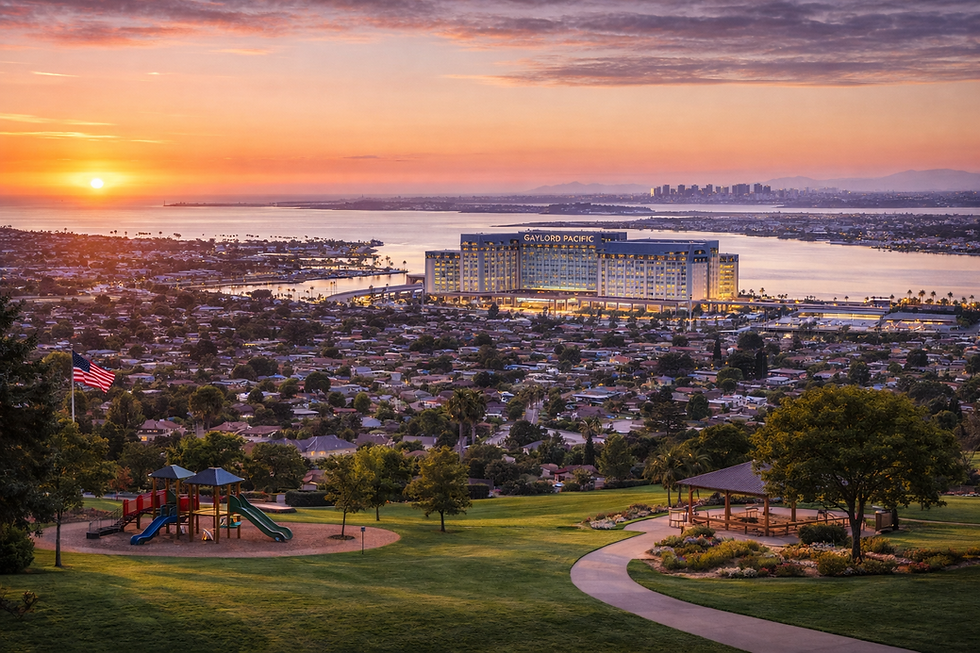
The large resort and convention center project on the bayfront is one of the most talked-about changes in Chula Vista. Once active, it is expected to bring more visitors, events, restaurant demand, hospitality jobs, and outside attention to the city.
For homeowners, that can be both exciting and practical.
More visitor activity can support nearby restaurants, cafes, shops, and services. It can also encourage more investment in areas that connect to the bayfront, including nearby commercial corridors and gateway streets. Over time, a stronger visitor economy can make the west side of Chula Vista feel more connected to the broader San Diego tourism market.
There may also be indirect benefits for homeowners across the city. When Chula Vista draws more conventions, events, and waterfront visitors, more people become familiar with the city. Some may return later to explore neighborhoods, visit friends, or consider living nearby.
Still, more activity comes with tradeoffs.
Homeowners may notice:
More traffic around key access points
Busier weekends near the waterfront
Parking pressure during events
Temporary construction impacts while work continues
More demand for city services and maintenance
Those impacts will not be equal everywhere. Homes closest to the bayfront and major routes such as I-5, H Street, E Street, and Marina Parkway may notice the most day-to-day change. Homes farther east may feel it more through city reputation, amenities, and occasional event traffic.
The practical takeaway is this: the bayfront is becoming a destination, not just a local open space. That changes how the area functions.
Home values may benefit, but homeowners should think carefully
Many homeowners naturally ask whether the bayfront redevelopment will raise home values. The honest answer is that it can help support interest in Chula Vista, but it is only one factor.
Real estate values move for many reasons, including mortgage rates, inventory, school boundaries, home condition, neighborhood demand, job access, and broader San Diego County market trends. A major waterfront project can improve perception and desirability, but it does not guarantee a specific price increase for every property.
That said, public investment and major destination projects often change the way buyers view an area. A stronger bayfront can make Chula Vista feel more complete as a city. For some buyers, access to the waterfront, parks, dining, and events may make nearby neighborhoods more attractive.
For homeowners thinking long term, the most relevant questions are:
Is the bayfront improving access to amenities?
Is the city becoming more recognizable outside the area?
Are nearby streets, parks, and public spaces being maintained well?
Are new businesses following public investment?
Does the redevelopment make Chula Vista more appealing compared with similar communities?
If the answer to several of those questions is yes, homeowners may see stronger buyer interest over time. But it is better to think in terms of market appeal rather than guaranteed appreciation.
This is especially true for owners considering renovations or selling. A nicer bayfront does not replace the basics. Buyers still care about roof condition, layout, natural light, parking, outdoor space, and neighborhood feel. The bayfront may help get attention. The home itself still has to earn the offer.

West Chula Vista is getting renewed attention
The bayfront changes are especially meaningful for west Chula Vista. This side of the city has long had strong assets, including proximity to the bay, access to freeways, older homes with character, and a location closer to downtown San Diego than many people realize.
As the waterfront becomes more active, west side neighborhoods may receive more attention from buyers, renters, visitors, and local businesses. That can bring new energy, but it can also raise concerns about affordability, redevelopment pressure, and neighborhood character.
Homeowners in west Chula Vista may feel the changes in a few ways.
More interest in older homes
Older homes near the bayfront may attract buyers who like established neighborhoods and shorter drives. Some may look for renovation opportunities. Others may prefer homes with larger lots, mature trees, or classic layouts.
This can be a plus for current owners, but it can also lead to more investor activity. Homeowners should be cautious about unsolicited offers or pressure to sell quickly. If an offer comes in, it is worth comparing it with recent local sales and speaking with a trusted real estate professional before making a decision.
More attention on streets and connections
As more people move through the area, the quality of streets, sidewalks, bike routes, signage, landscaping, and lighting becomes more noticeable. Homeowners often benefit when public access improves, but construction phases can be inconvenient.
Short-term disruption may include lane changes, detours, dust, and noise. Long-term improvements may make it easier to reach the water, nearby businesses, and regional transit connections.
More pressure to preserve neighborhood feel
When a waterfront area becomes more desirable, residents often want to protect what already works. That includes quiet streets, local businesses, historic character, and a sense of community.
The best outcomes usually come when growth supports daily life instead of overwhelming it. Homeowners have a stake in that balance.
Daily routines are shifting around traffic, access, and events
Even homeowners who rarely visit the bayfront may notice changes in how people move around Chula Vista.
Construction and later event activity can affect traffic patterns near the waterfront. As the area draws more visitors, certain streets may feel busier during special events, weekends, or peak travel times. Residents who use west side routes may start planning drives with a bit more care.
At the same time, improved access can make the bayfront easier to fold into regular routines. A homeowner might stop by for a walk after work, bring family to the waterfront when guests visit, or choose a local restaurant instead of driving to downtown San Diego or Coronado.
The change is not just about traffic. It is about mental maps.
When a part of the city becomes more useful, people start including it in ordinary decisions. Where should we walk? Where should we take visitors? Where should we meet friends? Which side of town feels more connected than it used to?
That is where redevelopment starts to affect real life.
The bayfront is changing how Chula Vista competes with nearby cities
Chula Vista has always had a strong location. It sits between San Diego, the South Bay, the border region, and major job centers. What it has not always had is a waterfront destination that matched its size and potential.
The bayfront work changes that comparison.
When buyers look around San Diego County, they often weigh tradeoffs. Coastal communities may offer water access but come with much higher prices. Inland communities may offer newer homes and more space but less access to the bay or ocean. Chula Vista sits in a middle ground, and the bayfront strengthens that position.
For homeowners, this matters because perception shapes demand. A city with stronger amenities can attract more interest from people who may not have considered it before. The bayfront gives Chula Vista another reason to stand out.
That does not make Chula Vista the same as La Jolla, Coronado, or downtown San Diego. It gives the city its own lane: a large South Bay community with family neighborhoods, freeway access, newer and older housing options, and a growing waterfront.
That combination is becoming harder to ignore.

What homeowners should watch next
The bayfront will keep changing in stages. Homeowners do not need to track every meeting or construction update, but a few signs are worth watching.
Pay attention to how public spaces are maintained after they open. A beautiful park matters most when it stays clean, safe, and easy to use. Watch how traffic is managed during large events. Good circulation will make a major difference for nearby residents.
Also watch for small business activity. Restaurants, cafes, recreation rentals, and local services can show whether the waterfront is becoming part of daily life or mainly serving visitors. The healthiest version does both.
Homeowners thinking about remodeling should keep the bayfront in mind, especially on the west side. Outdoor spaces, curb appeal, flexible guest areas, and low-maintenance landscaping may become even more attractive as the area draws attention.
For those thinking about selling, the bayfront can be part of the story, but it should not be the whole story. A strong listing still needs accurate pricing, good preparation, quality photos, and a clear explanation of the home’s specific location and benefits.
For those planning to stay, this is a good time to rediscover the city. Visit the waterfront as access improves. Try routes you do not normally use. Notice which changes make daily life better and which ones need community feedback.
The biggest change is how the city feels
The Chula Vista Bayfront is changing more than the shoreline. It is changing how homeowners see the city’s future.
A more active waterfront brings new amenities, new visitors, new traffic patterns, and new attention. It may support long-term home appeal, especially in areas with easy access to the bay. It may also bring growing pains that residents will want to watch closely.
The most important shift is more personal. Chula Vista is gaining a waterfront that feels more connected to the people who live here. For homeowners, that means the bayfront is no longer just a development project. It is becoming part of the value, rhythm, and identity of home.


Comments